Sports rivalries have existed for generations. Football matches, Olympic competitions, and international tournaments can turn countries into fierce competitors, sometimes bringing decades of history, politics, and cultural differences into the spotlight.
But a new form of competition is changing the way people from different countries interact.
Esports.
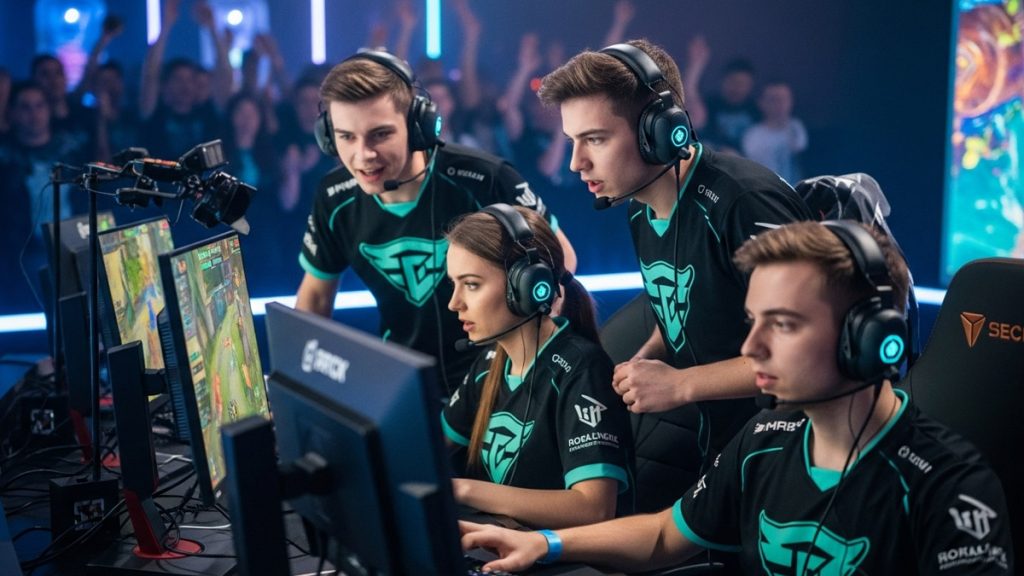
Inside an esports arena, national borders can still matter. Players represent their countries, fans support their flags, and tournaments can create intense rivalries. Yet the same games can also create something unexpected: opportunities for people from rival nations to communicate, cooperate, and build relationships.
That raises an interesting question: Can esports help bring countries closer together even when traditional rivalries make that difficult?
Competition Doesn’t Always Have to Create Distance
At first glance, esports appears to have the same competitive structure as traditional sports.
Two teams face each other. One wins, another loses. Fans cheer for their favorite players, and national pride can become part of the experience.
But esports has a unique advantage.
Players can compete against one another while simultaneously participating in the same global gaming culture.
A player from one country may compete against someone from another country on Saturday, then watch their opponent’s stream or play alongside them in another game a few days later.
The rivalry can remain inside the match.
Outside it, there is room for conversation.
Games Give People a Common Language
One reason esports can cross cultural boundaries is that games provide a shared language.
Players don’t necessarily need to speak the same native language to understand the basics of a game.
A familiar strategy, character, map, objective, or team role can immediately create common ground.
Even when communication is limited, players can understand what needs to happen next.
That shared experience can be surprisingly powerful.
Someone who might feel completely unfamiliar because of their nationality can suddenly become understandable because both people know the same game.
Esports Players Often Meet Before They Become Rivals
Traditional international sports can sometimes emphasize national identity from the beginning.
Esports is different because many professional players already participate in international online communities before reaching the biggest tournaments.
They may have played ranked matches with people from dozens of countries. They may have trained with international teammates, joined global communities, or followed creators from other regions.
By the time they meet on a major esports stage, the idea of playing against someone from another country may already feel normal.
The opponent is not simply “another country.”
They are another player.
That distinction matters.
International Teams Can Blur National Boundaries
Some of the strongest examples of esports bringing people together come from mixed-nationality teams.
Competitive gaming has made it possible for players from different backgrounds to train, communicate, and compete under the same organization.
Their nationalities don’t disappear.
Instead, they become only one part of their identity.
Inside the team, players have to solve problems together. They have to trust one another, understand different communication styles, and coordinate under pressure.
Those experiences can create relationships that extend beyond the competition itself.
Fans Can Experience Rivalry Differently Too
The unifying potential of esports isn’t limited to professional players.
Fans are also part of the ecosystem.
A major tournament can bring supporters from different countries into the same venue, Discord server, livestream chat, or social media conversation.
They may disagree passionately about which team deserves to win, but they are still participating in the same event.
This creates a strange combination of rivalry and community.
People can compete fiercely while still recognizing that they belong to the same larger gaming culture.
The Internet Makes International Friendships Easier
Esports exists within a much larger digital ecosystem.
A tournament might introduce fans to a player. That player might have a livestream. The livestream might lead viewers into a Discord community. The community might eventually become a place where people from different countries regularly interact.
One esports event can therefore create connections that last much longer than the tournament itself.
This is one of the biggest differences between esports and many traditional sporting events.
The relationship doesn’t necessarily end when the final match is over.
The community remains online.
Rivalries Can Actually Create Opportunities for Connection
It may sound contradictory, but rivalry isn’t always the enemy of unity.
A healthy rivalry gives people something to care about.
Fans become emotionally invested. Players push themselves to improve. Communities create jokes, memes, traditions, and stories around repeated matchups.
When handled positively, those rivalries can encourage interaction rather than hostility.
Two fan bases might spend hours arguing about which team is better, then still recognize their shared passion for the same game.
In that sense, competition can become a bridge.
The goal isn’t necessarily to eliminate differences.
It is to create a space where differences can coexist.
But Esports Can’t Solve Political Conflicts
There is an important limitation.
Esports alone cannot erase historical conflicts, political disagreements, or serious tensions between countries.
Gaming communities can also experience nationalism, harassment, discrimination, and toxic behavior. International competitions can sometimes amplify those problems rather than reduce them.
A digital arena is not automatically a peaceful one.
The positive impact depends heavily on how players, organizers, platforms, teams, and communities behave.
Moderation and responsible event management matter.
So does the culture surrounding the competition.
The Most Powerful Moments May Happen Outside the Stage
Some of the most meaningful international connections in esports may never appear in the official tournament results.
They happen when players shake hands after a match.
When competitors compliment each other’s performance.
When fans from different countries share a joke.
When teammates learn how to communicate despite language differences.
Or when a young player discovers that someone from a country they knew almost nothing about shares exactly the same passion for gaming.
These moments may seem small.
But millions of small interactions can gradually change how people see one another.
Esports Has a Unique Opportunity
Gaming is already one of the world’s most global forms of entertainment.
A game can be developed in one country, played competitively in another, streamed by a creator somewhere else, and watched by fans on almost every continent.
Few cultural activities operate on that scale.
Esports therefore has an unusual opportunity to create international spaces where people meet through something they genuinely enjoy.
The competition can be intense.
The emotions can be real.
But underneath all of that is a shared experience.
Could Gaming Become a New Form of Cultural Diplomacy?
Traditional diplomacy usually happens between governments and institutions.
Esports operates differently.
Its connections are often created by ordinary players, creators, fans, and communities.
That doesn’t mean esports will replace diplomacy.
But it could become a form of informal cultural exchange.
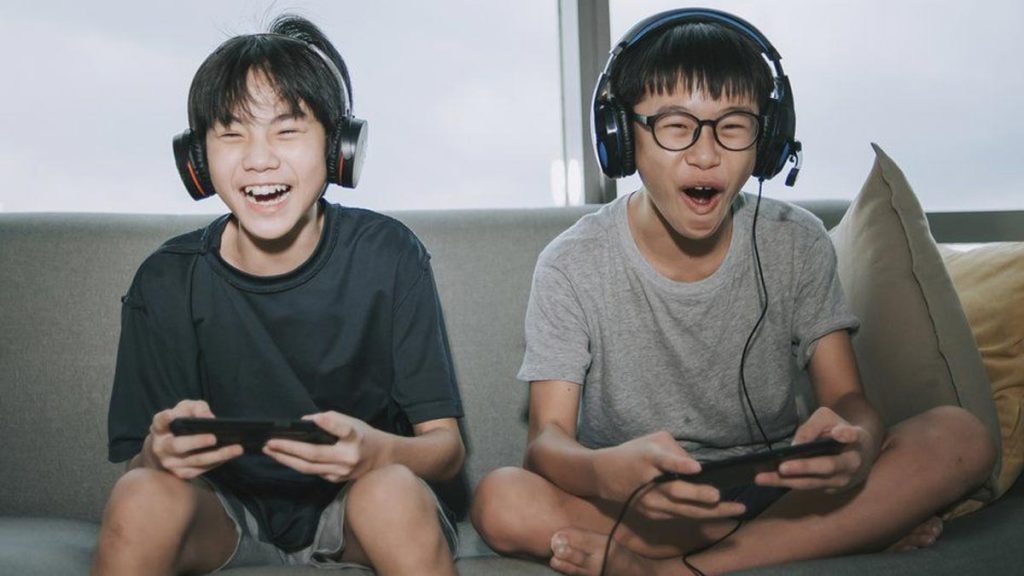
A teenager doesn’t need to understand international politics to become friends with someone from another country.
They only need to discover that they both love the same game.
That simple connection can sometimes be the beginning of curiosity about another culture, language, or way of life.
The Future May Be More Connected Than Competitive
Esports will always be about competition.
That’s part of what makes it exciting.
But the long-term impact of esports may be measured by more than trophies, prize pools, and championship records.
It may also be measured by the relationships created along the way.
When players from countries with long-standing rivalries can compete fiercely and still respect each other, esports demonstrates something important:
Competition and connection don’t have to be opposites.
A match can create a winner and a loser.
But the community surrounding that match can create something else entirely—a shared identity that crosses borders.
And perhaps that’s where the real power of esports lies.
Not in making countries forget their differences, but in giving people a reason to see the person on the other side of the rivalry as a fellow human being first.
FAQ
Can esports really bring countries together?
Esports cannot eliminate political or historical conflicts, but international gaming communities can create opportunities for communication, friendship, cultural exchange, and mutual understanding.
Why is esports considered global?
Online games allow players, teams, creators, and fans from different countries to interact continuously. International tournaments further connect these communities through shared competition.
Can esports reduce cultural stereotypes?
It can. Direct interaction with people from different countries may give players a more personal understanding of other cultures and challenge assumptions based on limited exposure.
Do esports rivalries create more division?
They can, particularly when competition becomes toxic or overly nationalistic. However, healthy rivalries can also encourage interaction and create a shared culture among competing fan communities.
Could esports become a form of cultural diplomacy?
Esports has potential as informal cultural diplomacy because it creates direct connections between people from different countries. However, it should complement rather than replace traditional diplomatic efforts.