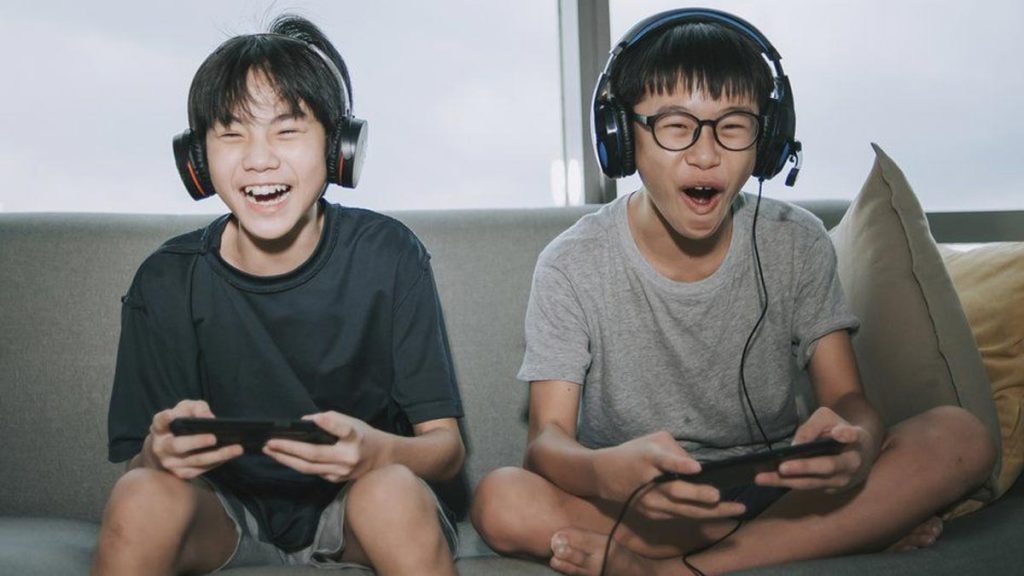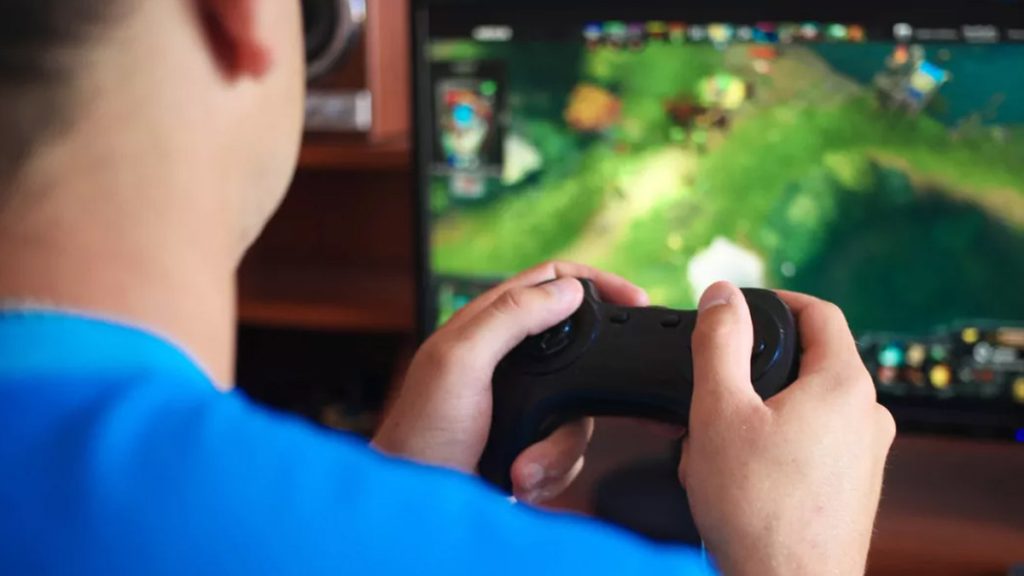
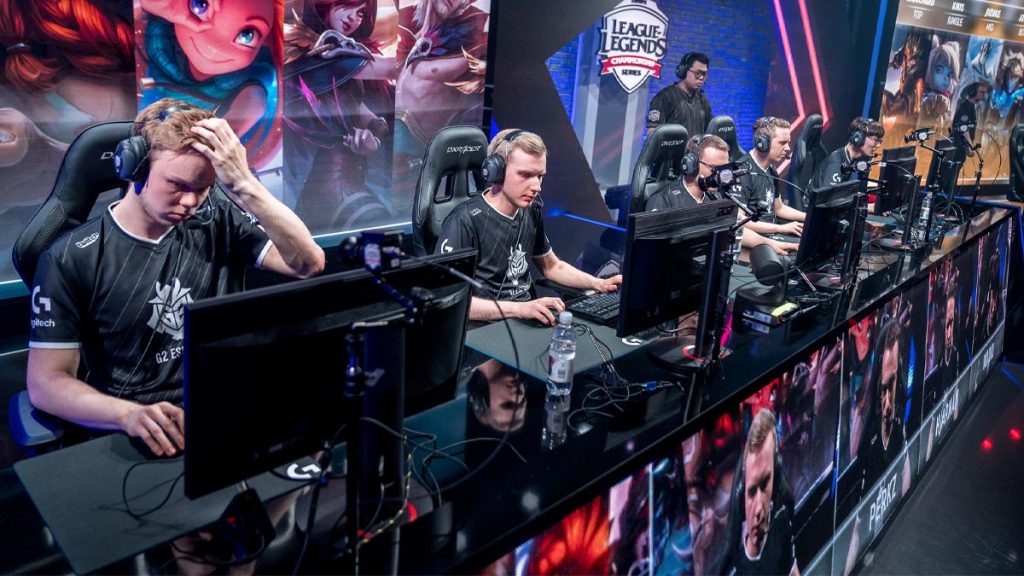
For years, video games have often been associated with competition. Players race against one another, fight for victory, climb rankings, and try to become the best. But beneath that competitive surface, gaming also teaches another powerful lesson: sometimes, the best way to win is to work together.
From cooperative adventures to massive online worlds, games have created virtual spaces where people with different backgrounds, languages, and personalities must communicate, trust one another, and solve problems as a team. In many cases, these experiences can teach lessons about cooperation that extend far beyond the screen.
Winning Is Not Always About Being the Best Player
Competitive games naturally reward individual skill. A player who reacts faster, understands the mechanics better, or makes smarter decisions can gain an advantage.
Cooperative games introduce a different equation.
A talented player cannot always succeed alone. One person might understand combat mechanics, another might specialize in strategy, while someone else keeps the entire team organized. Success depends on how well those different abilities fit together.
This creates an important shift in mindset. Instead of asking, “How can I beat everyone else?” players begin asking, “What can I do to help the team succeed?”
That small change can have a surprisingly large impact on how people approach collaboration.
Communication Becomes Part of the Game
Good teamwork rarely happens without communication.
In multiplayer games, players constantly exchange information. They warn teammates about danger, coordinate attacks, assign responsibilities, share resources, and adjust their plans when something goes wrong.
Games can make communication feel natural because there is an immediate shared objective.
A team attempting a difficult mission, for example, may need one player to lead while others provide information and support. If everyone talks at once or ignores what teammates are saying, the entire group can fail.
The lesson is simple: communication is not just about speaking. It is also about listening.
Different Strengths Can Make a Stronger Team
One of the most interesting aspects of cooperative gaming is that players do not necessarily need to be good at the same things.
In many games, characters have different roles. A tank may absorb damage, a support character may protect teammates, and a damage-focused player may handle opponents. Each role contributes something different.
This reflects a principle that applies to real-world teamwork as well.
A successful team does not need five identical people. It needs people who bring complementary skills.
Someone who is highly creative may approach a problem differently from someone who is analytical. A natural leader may be useful in one situation, while a careful observer may be more valuable in another.
Gaming can make this idea visible because players can immediately see what happens when different strengths work together.
Failure Can Become a Shared Learning Experience
Cooperative games also offer an unusual lesson about failure.
Teams can spend twenty minutes preparing for a difficult challenge only to fail within seconds. Instead of ending the experience, however, failure often becomes information.
Players discuss what went wrong, change their strategy, and try again.
This creates a cycle of experimentation:
Attempt → Failure → Discussion → Adjustment → Another Attempt
That mindset can be valuable outside gaming. Working with other people often involves mistakes, misunderstandings, and unexpected obstacles. Teams that treat failure as a reason to learn rather than blame someone are generally better equipped to improve.
Gaming provides a relatively safe environment for practicing that attitude.
Cooperation Can Cross Borders
Perhaps one of gaming’s most interesting social effects is its ability to bring strangers together.
A player in Indonesia might find themselves working with someone from Japan, Brazil, Germany, the United States, or another part of the world. They may have different cultures and completely different daily lives, but inside the game they share the same objective.
Sometimes, that shared goal is enough to create a connection.
Players may initially communicate through simple instructions or limited vocabulary. Over time, repeated matches can turn strangers into teammates, and teammates can become friends.
The interaction may begin with something as simple as, “Cover me,” but it can eventually develop into genuine curiosity about the person on the other side of the screen.
Gaming Can Create Empathy Through Shared Experiences
Cooperation is not only about completing objectives. It can also encourage players to understand different perspectives.
When players depend on one another, they begin to notice the challenges faced by their teammates. A support player may understand how difficult it is to keep everyone alive. A team leader may realize how much pressure comes with making decisions. A new player may experience how important patience can be when learning.
These experiences can encourage empathy because players are no longer thinking exclusively about their own performance.
They have to consider how their decisions affect everyone else.
That is a skill that matters far beyond gaming.
From Online Teams to Real-World Communities
The biggest question is whether lessons learned in games can influence behavior outside them.
Gaming alone cannot automatically make someone a better teammate. Context matters, and not every gaming environment is positive. Toxic communication, harassment, and excessive competitiveness can create the opposite effect.
But well-designed cooperative experiences can provide opportunities to practice useful social behaviors.
Players learn to coordinate. They negotiate roles. They manage disagreements. They give feedback. They adapt to unexpected situations. Most importantly, they experience the consequences of working together—or failing to do so.
Those experiences can become building blocks for stronger collaboration in school, workplaces, communities, and social groups.
Competition and Cooperation Can Exist Together
Interestingly, cooperation does not mean competition has to disappear.
Many of the most engaging games combine both.
Players may compete against another team while cooperating with their own teammates. This creates a balance where competition provides excitement, while cooperation provides connection.
That combination reflects the real world. People and organizations can compete while still sharing common interests, exchanging knowledge, and solving problems together.
The goal is not necessarily to eliminate competition. It is to recognize when cooperation can produce something that competition alone cannot.
The Bigger Lesson of Multiplayer Gaming
At its best, gaming gives people a reason to work with someone they might never have met otherwise.
The objective might be fictional, the environment might be digital, and the reward might be nothing more than completing a difficult mission. Yet the behaviors required to succeed—communication, trust, patience, adaptability, and empathy—are very real.
That may be one of gaming’s most overlooked strengths.
Video games can certainly teach us how to compete. But they can also teach us something more valuable: how to turn different abilities into a shared strength.
And in a world where people increasingly live, work, and communicate across borders, learning how to cooperate with strangers may be one of the most important skills any game can teach.